Garage Door Weather Seal
The weather seal acts as a barrier between the outside elements and the interior of your garage. Its primary function is to prevent rain, wind, dust, and insects from entering into the space where you store your vehicles or valuable belongings. Made with durable materials such as rubber or vinyl, this essential component ensures that your garage remains well-insulated and protected from harsh weather conditions throughout the year.
First and foremost, weather seal serves as a barrier against external elements. It keeps out rain, snow, and dust from entering your garage space. A proper weather seal can help prevent unwanted activity inside your space due to weather.
Benefits of a good weather seal:
- Combating Wind and Moisture
- Maintaining Temperature
- Keeping Out Pests
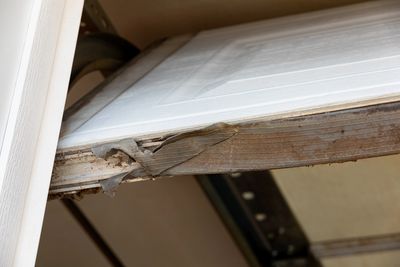
2 Types of Garage Door Weather Seals
Garage Door Bottom Seal
The bottom seal on your garage door is pretty self-explanatory. It’s often overlooked, but is a very important part of your system. The bottom seal of a garage door performs several important functions.
One of the main functions of the bottom seal is to reduce the noise from the garage resting on concrete. Garage doors can weigh hundreds of pounds, which can make quite a racket if there is no cushion between the bottom panel and driveway.

Garage Door Weather Stripping
Much like the bottom seal, garage door weather stripping (also known as weather trim or perimeter seal) provides a cushion between the door and framing, just on the side and top edges. After all, garage doors are long, flat panels made of a strong material, and are mounted near wood or metal framing. This makes it difficult or impossible get a garage door to rest directly against the framing in such a way that blocks out wind, daylight, dust, and other things without serious risk of the door rubbing against the frame and wearing down both the door and frame. That’s where the perimeter seal / weather trim / weather stripping can help.
Weather trim is made up of a rectangular base that is mounted to the frame and a flexible flap that the door presses up against to create a seal.
